You’ve grooved your swing and are starting to hit more greens. But there’s a frustrating new problem: your perfect approach shot lands softly, then rolls… and rolls… right off the back edge. That feeling of power turning into a lack of control is a sign you might have outgrown your golf ball. For many players, this is the exact moment when upgrading to three piece golf balls becomes a game-changer, turning good shots into great ones.
This isn’t about chasing expensive gear. It’s about matching the technology in the ball to the skills you’ve developed. A 3-piece ball introduces a new layer of performance—finesse—that a 2-piece ball simply isn’t designed to provide.
At a Glance: What You’ll Learn
- The Key Difference: Understand the role of the middle “mantle” layer and why it matters.
- Performance Gains: See how a 3-piece construction creates more spin and stopping power on the green.
- Player Profile: Identify the handicap range and swing characteristics that benefit most from this technology.
- Cost vs. Benefit: Decide if the performance boost is worth the higher price for your game.
- A Simple Test: Get a step-by-step framework to see if you’re ready to make the switch.
The Anatomy of Control: The Mantle Layer Explained
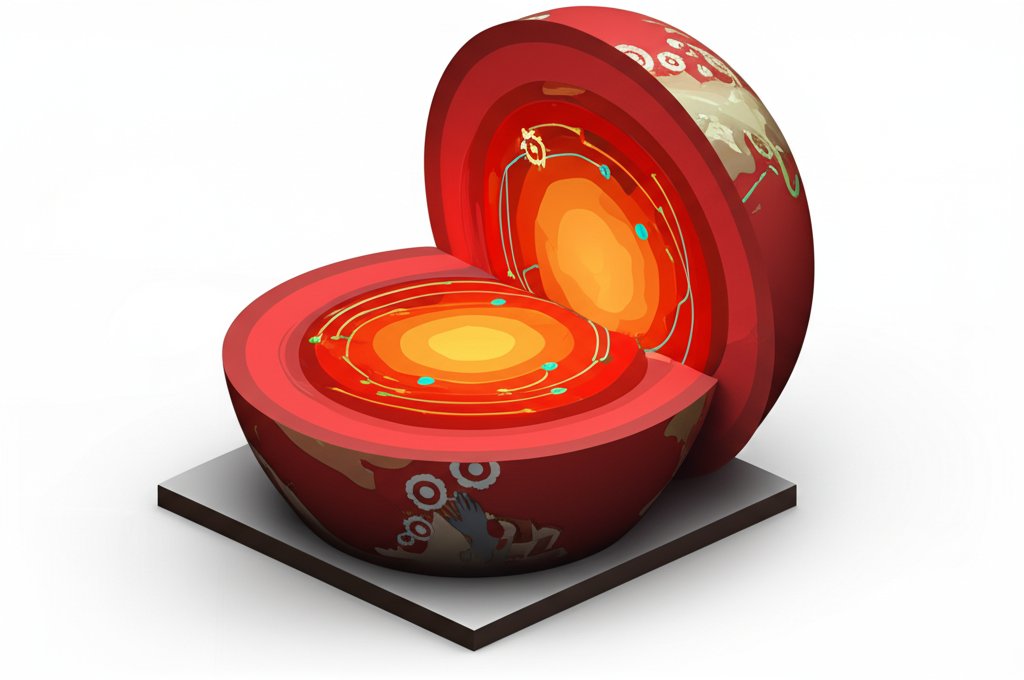
To understand why three piece golf balls offer more control, you first have to know what you’re moving up from. Most golfers start with 2-piece balls, the workhorses of the golf world. They have a simple, effective design: a large rubber core for speed and a durable Surlyn (or ionomer) cover. This construction is a distance engine—it’s built to reduce spin, especially off the driver, which helps the ball fly straighter and roll out farther.
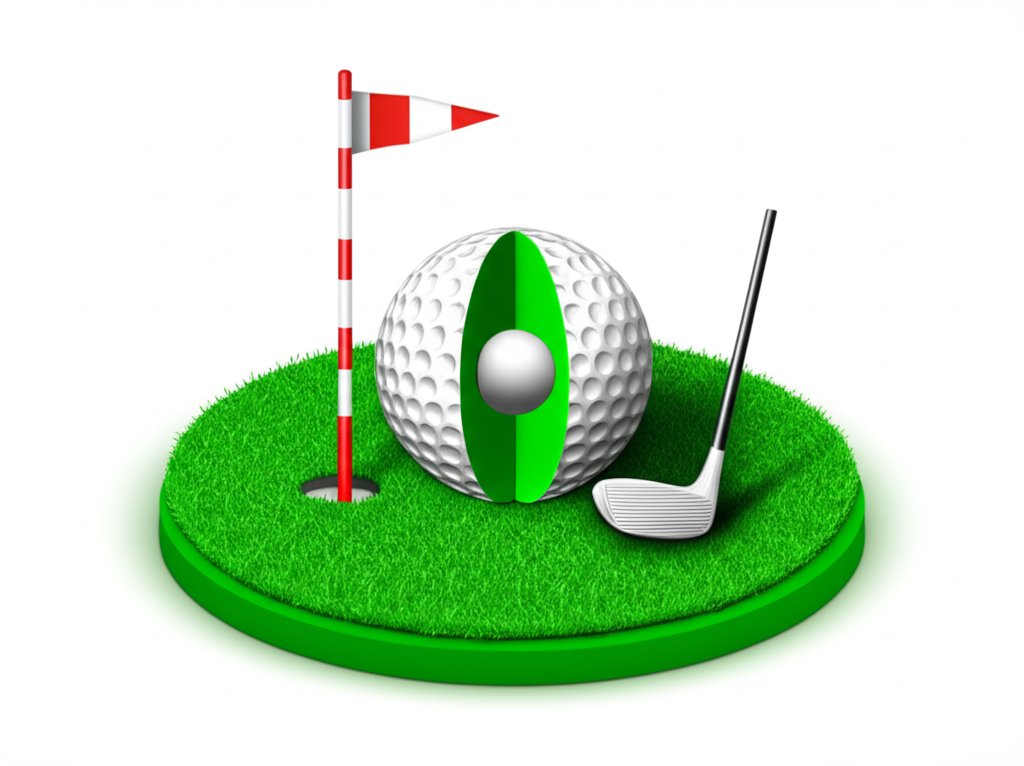
A 3-piece ball introduces a critical third component between the core and the cover: the mantle layer.
Think of this mantle layer as the ball’s transmission. A 2-piece ball is like a car with one gear: Go Fast. The 3-piece construction creates a multi-gear system that allows the ball to react differently to different clubs.
- With the Driver (High Speed Impact): The firm mantle layer and core work together to keep spin low, preserving the distance and forgiveness you need off the tee.
- With Wedges and Short Irons (Low Speed Impact): The soft outer cover (often made of urethane instead of Surlyn) grips the clubface grooves. The softer mantle layer allows this cover to “pinch” against the core, generating significantly more backspin for drop-and-stop control on the green.
This separation of performance—low spin with the driver, high spin with the wedges—is the magic of modern three piece golf balls.
The Tipping Point: Moving from “Distance Only” to “Finesse”
Switching balls isn’t about hitting a specific handicap number. It’s about recognizing when your current ball is holding your scoring back. If you’re still working on making consistent contact or simply need every yard you can get, the simple, low-spin design of a 2-piece ball is your best friend. In fact, you should Find your best 2-piece ball and master it before considering an upgrade.
But when your game evolves, your equipment should too. Here are the signs that it might be time.
Your Scorecard Is Telling a Story
Look past your total score and analyze how you’re making bogeys.
- Scenario 1: The Green-in-Regulation Bogey. You hit a beautiful iron shot that lands on the green, only to watch it trickle off the back or into a tough bunker. Your proximity to the hole is poor because the ball won’t stop. A 3-piece ball’s higher spin would help it land and settle much closer to its pitch mark.
- Scenario 2: The Failed “Up and Down.” Your chip shots and short pitches feel decent, but they consistently run 10-15 feet past the hole, leaving you with a tricky comeback putt. The extra bite from a urethane-covered 3-piece ball can turn those 15-footers into tap-ins.
- Scenario 3: You’re Ready for Shot-Shaping. You’re starting to confidently hit a small draw or a fade. A 3-piece ball provides more feedback and spin, allowing you to control the curve and trajectory of your shots more predictably.
If these situations sound familiar, your ball is likely the limiting factor.
Matching the Ball to Your Swing Speed
Swing speed is a crucial part of the equation. To get the most out of a multi-layer ball, you need enough speed to “activate” all its components through compression at impact.
As a general rule, golfers with driver swing speeds of 85-90 mph and above will see the most pronounced benefits from a 3-piece ball. At these speeds, you can fully compress the ball, allowing the core, mantle, and cover to work as designed.
However, this doesn’t mean slower swingers are left out. Many modern three piece golf balls like the Srixon Q-Star Tour or Titleist Tour Soft are engineered with lower-compression cores. These are specifically designed for moderate swing speeds, offering that sought-after soft feel and greenside spin without needing Tour-level power.
A Clear-Eyed Look at Performance vs. Cost
Upgrading to a 3-piece ball is an investment in your scoring game, and that investment comes with trade-offs. The softer, grippier urethane covers that provide so much spin are also less durable than the tough Surlyn found on 2-piece balls. A scuffed-up wedge shot is more likely to leave a mark.
Here’s a simple breakdown of what you gain and what you give up.
Table: 2-Piece vs. 3-Piece Ball Showdown
| Feature | 2-Piece Ball (e.g., Titleist Velocity) | 3-Piece Ball (e.g., Titleist AVX) |
|---|---|---|
| Primary Goal | Max Distance, Durability | Balanced Performance, Control |
| Feel | Firmer, “clicky” off the putter | Softer, more “buttery” at impact |
| Driver Spin | Very Low (promotes a straighter flight) | Low to Mid (still forgiving) |
| Wedge Spin | Low (results in more roll-out) | High (promotes “check” and stop) |
| Control Around Greens | Less predictable, more roll | Highly predictable, more stopping power |
| Cover Material | Surlyn / Ionomer (very durable) | Urethane (softer, less durable) |
| Price per Dozen | ~$20 – $35 | ~$35 – $50+ |
| Ideal Golfer | Beginner, high-handicap, distance-focused | Intermediate, mid-handicap, control-focused |
Your Personal “Ball Fitting” on the Course

The only way to know for sure if a 3-piece ball is right for you is to test one against your current gamer. Don’t just throw one in play on the first tee. Run this simple, structured test on the practice area or during a quiet round.
Step 1: Choose Your Contender
You don’t need to jump straight to a $55/dozen Tour ball. Start with a “tour value” or “mid-compression” 3-piece model. Great options to test include the Srixon Q-Star Tour, Titleist Tour Soft, or Callaway ERC Soft. These give you the core benefits without the premium price tag.
Step 2: The 50-Yard Pitch Shot Test
Go to a practice green. Take your current 2-piece ball and your new 3-piece test ball.
- Hit five pitch shots with your 2-piece ball from 50 yards out. Pay close attention to how the ball lands and how far it rolls.
- Now, do the same with the 3-piece ball. The difference should be immediately obvious. You’ll see a lower, more controlled flight, and the ball should “check up” or “bite” on the green with significantly less roll-out.
Step 3: The 150-Yard Iron Shot Test
On the range or a par-3, hit several shots with your 150-yard club (e.g., a 7-iron) using both balls.
- Feel: The 3-piece ball will feel much softer and more satisfying on a well-struck shot.
- Flight: It may fly slightly higher and land more steeply.
- Result: This is the “hold the green” test. The 3-piece ball should stop much faster upon landing.
Step 4: The Driver Test
Finally, hit five drives with each ball. The performance here should be closer than you think. A well-designed 3-piece ball is engineered to reduce driver spin, so you might only see a loss of a few yards, if any. Your primary goal here is to confirm you aren’t sacrificing a massive amount of distance for the gains in short-game control.
Step 5: Make an Informed Decision
Review the results. Was the added stopping power around the green worth a potential loss of 3-5 yards off the tee? Did the softer feel inspire more confidence over the ball? If the answer is yes, the extra cost per dozen is a direct investment in lower scores.
Your Questions on 3-Piece Golf Balls, Answered
Q: Will a three piece golf ball fix my slice?
A: No, and it could even make it slightly more noticeable with your irons. A slice is caused by excessive sidespin from an open clubface. Because three piece golf balls are designed to be higher-spinning on approach shots, they can exaggerate the spin you put on the ball—good or bad. A low-spin 2-piece ball is generally more effective at mitigating a slice.
Q: What’s the real difference between a Titleist Pro V1 and a Srixon Q-Star Tour?
A: Both are excellent three piece golf balls, but they are built for different players. The Pro V1 is a premium “Tour” ball with a higher compression rating, designed to perform optimally for high swing speeds (typically 95-105+ mph). The Q-Star Tour has a much lower compression core, making it ideal for average or moderate swing speeds (80-95 mph). It provides the same category of soft feel and greenside spin but is easier to compress for the average amateur.
Q: Do I need a 100 mph swing speed to play a three piece golf ball?
A: Absolutely not. This is a common myth. While Tour-level models like the Pro V1x or TaylorMade TP5x are built for the fastest swings, the market is full of fantastic, lower-compression three piece golf balls for the rest of us. The key isn’t having elite speed; it’s matching the ball’s compression rating to the speed you have.
Q: Are 4-piece or 5-piece balls even better?
A: For a tiny fraction of elite golfers, maybe. Each additional layer allows engineers to fine-tune performance even more granularly (e.g., one layer for long iron spin, another for mid-iron spin). For most amateur and mid-handicap players, the added complexity of a 4- or 5-piece ball offers diminishing returns and is rarely worth the significant jump in cost over a well-chosen 3-piece model.
The Final Verdict: Is It Time for You to Make the Switch?
Choosing the right golf ball is one of the easiest ways to improve your scores. If your game has evolved, your ball should too. Use this simple checklist to decide.
- IF you consistently break 100 and feel like your chipping and pitching are holding you back, THEN it’s time to test a 3-piece ball.
- IF your well-struck iron shots land on the green but repeatedly roll over the back, THEN you will benefit from the extra stopping power of a 3-piece ball.
- IF, however, you are primarily battling a slice and seeking maximum distance above all else, THEN stick with a forgiving, low-spin 2-piece ball for now.
Making the move to three piece golf balls is your first step toward playing a more precise, controlled game. It’s about giving yourself the technology to not just hit it far, but to hit it close. And hitting it close is how you start shooting your lowest scores yet.

Whether testing new equipment or exploring the world’s best courses, I'm brings fresh, easy-to-understand content that makes golf accessible for everyone. Follow along and elevate your game with expert advice, every day.
- Are Three Piece Golf Balls Right For Your Game? - May 1, 2026
- Best 2 Piece Golf Ball Offers Unexpected Performance for Your Game - April 30, 2026
- Best 2 Piece Golf Balls Robot Tested for Every Golfer - April 29, 2026