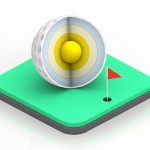
You striped a perfect 7-iron, right on line with the flag. The ball lands on the front of the green, precisely where you aimed, but then it just… keeps going. It rolls past the hole and off the back edge, leaving you with a tricky chip instead of a birdie putt. If this sounds familiar, the issue might not be your swing, but your golf ball. For players looking to graduate from pure distance to precision scoring, 3 layer golf balls offer the control and feel needed to turn good shots into great ones.
This multi-layer construction is the key to holding more greens, getting up-and-down more often, and finally gaining the confidence to attack pins.
At a Glance: What You’ll Learn
- The Anatomy of Control: We’ll break down how the core, mantle, and cover of a 3-piece ball work together to optimize both distance and spin.
- When to Make the Switch: Discover the key signs in your game that indicate you’re ready to move from a 2-piece to a 3-piece ball.
- Performance by the Numbers: See how 3 layer golf balls compare to 2-piece models in robot testing for spin, distance, and stopping power.
- Choosing the Right Model: Get practical advice on matching a ball’s compression and cover to your swing and short game needs.
- On-Course Payoffs: Understand the specific situations where a 3-piece ball gives you a significant competitive advantage.
The Architecture of Feel: What’s Inside a 3 Layer Golf Ball?
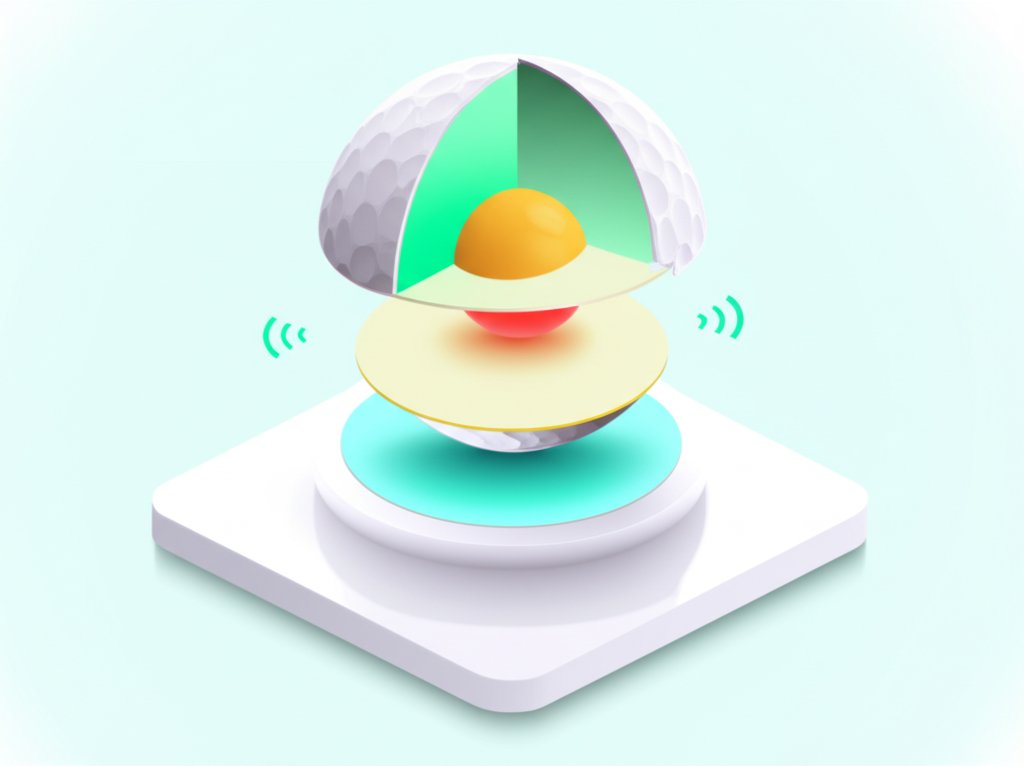
While a simple 2-piece ball is all about its big core and tough cover, a 3-piece ball introduces a critical middle component—the mantle. This sophisticated design allows manufacturers to fine-tune performance in a way that just isn’t possible with a simpler construction. Each layer has a distinct job.
The Core: The Engine for Speed
Just like in a 2-piece ball, the central rubber core is the primary source of ball speed. It’s designed to be large and highly resilient, compressing at impact with the driver and springing back to transfer maximum energy. This ensures you don’t sacrifice significant distance off the tee when moving to a more advanced ball.
The Mantle: The Secret Sauce for Spin
The mantle is the game-changer. This thin layer sits between the soft core and the outer cover, acting as a crucial intermediary. Think of it as a transmission for spin.
- On Driver Shots (High Speed, Low Loft): The mantle works with the core to keep spin low. The firm mantle layer helps transfer energy efficiently, preventing the excessive backspin that kills distance and accuracy.
- On Wedge Shots (Lower Speed, High Loft): Here, the mantle’s magic really shows. The soft outer cover gets “pinched” between the clubface and the firmer mantle layer, creating a massive jump in friction and spin. Robot tests show this can generate over 8,000-10,000 RPM of wedge spin, compared to 6,000-8,000 RPM for a typical 2-piece ball.
This “spin separation” is the holy grail of golf ball design: low spin off the tee for distance and high spin around the greens for control.
The Cover: Your Connection to Control
The final piece of the puzzle is the cover. While some 3-piece balls use a durable ionomer (like Surlyn), many of the most popular models feature a thermoset urethane cover. Urethane is a much softer, stickier material. This softness allows the grooves on your irons and wedges to grab the ball more effectively, providing superior spin and a noticeably softer, more buttery feel on short shots and putts.
Are You Ready to Graduate From a 2-Piece Ball?
There’s no shame in playing a 2-piece ball; they offer incredible distance, durability, and value. For beginners and high-handicappers (20+), maximizing distance and keeping the ball in play is the top priority. If you’re still building a consistent swing or primarily focused on distance, you can Find your perfect 2-piece golf ball.
However, as your game improves, your needs change. You start hitting more greens in regulation, and the difference between a 20-foot putt and a 5-foot putt becomes critical. That’s where 3 layer golf balls come in.
Telltale Signs It’s Time for an Upgrade
If you check two or more of these boxes, it’s a strong signal that a 3-piece ball could lower your scores:
- Your handicap is consistently below 20. You have a repeatable swing and are looking for more finesse.
- You hit approach shots that land on the green but roll off. You have the accuracy but lack the stopping power to hold firm greens.
- You want more “check” on your chip shots. You’re tired of chipping past the hole and want the ball to land, bounce once, and stop.
- “Feel” is becoming important to you. You want more feedback from the clubface on delicate shots around the green and on the putting surface.
Performance by the Numbers: 2-Piece vs. 3-Piece
The performance differences aren’t just subjective; they are measurable. Data from controlled robot testing highlights the clear trade-offs.
| Performance Metric | 2-Piece Golf Ball | 3-Layer Golf Ball | The Takeaway |
|---|---|---|---|
| Driver Distance | Maximum | ~5 yards shorter (on avg) | A small distance sacrifice for a massive gain in scoring-club control. |
| Driver Spin | 2,000-2,600 RPM | 2,200-2,800 RPM | Very similar, keeping shots relatively straight off the tee. |
| Mid-Iron Spin (7-Iron) | Lower | ~900 RPM higher (on avg) | This extra spin is what makes the ball land steeply and stop on the green. |
| Wedge Spin (30 yards) | 6,000-8,000 RPM | 8,000-10,000+ RPM | The “bite” you see from pros. Allows you to be aggressive with your chips. |
| Greenside Stopping Power | Longer roll-out | Stops ~3.3 feet quicker | The difference between a tap-in par and a nervy comeback putt. |
| Feel | Firm | Soft to Very Soft | Provides better feedback for judging the power of short shots and putts. |
| Price (per dozen) | $15 – $25 | $25 – $40 | A moderate price increase for a significant performance boost. |
A Practical Playbook for Choosing Your First 3-Layer Ball

Not all 3 layer golf balls are created equal. They are designed for different players, swing speeds, and desired outcomes. Moving into this category means you can start matching the ball’s specific characteristics to your game.
1. Consider Your Swing Speed
While not as critical as it once was, swing speed still plays a role. Most 3-piece balls are designed with softer compression cores that work well for the vast majority of amateur golfers (85-105 mph driver swing speed).
- Moderate Swing Speeds (Below 95 mph): Look for balls marketed as “soft” or with lower compression ratings (around 70-80). These balls, like the Bridgestone e6 or Titleist Tour Soft, will feel better at impact and help you maximize distance with a smoother tempo.
- Average to Fast Swing Speeds (95+ mph): You can comfortably play slightly firmer models like the TaylorMade Tour Response or Callaway Chrome Soft. These balls offer a perfect blend of soft feel with the stability needed to handle higher speeds without excessive spin off the driver.
2. Prioritize Your Needs: Feel or Flight?
Think about the biggest weakness in your scoring game.
- If you need maximum greenside control: Choose a ball with a urethane cover. The extra grip and spin are undeniable. The TaylorMade Tour Response is a prime example of a urethane-covered ball designed for amateurs.
- If you want a soft feel but need a straighter ball flight: An ionomer-covered 3-piece ball might be your best bet. The Bridgestone e6, for example, is famous for its spin-reducing mantle that helps fight hooks and slices while still feeling soft at impact.
3. Start with a Test Pack
Don’t commit to buying a dozen boxes of a new ball. The best approach is to buy a single sleeve (3 balls) of two different models that seem like a good fit. Play nine holes with one, and nine with the other, paying close attention to these three things:
- Iron Trajectory: Does the ball fly higher and land softer than your old ball?
- Chipping Control: When you chip, does the ball check up faster?
- Putting Feel: Does the sound and feel off the putter face inspire confidence?
Let your on-course performance, not just marketing claims, make the final decision.
Quick Answers to Common Questions
Getting into the details of golf ball technology can bring up a lot of questions. Here are some of the most common ones we hear about 3 layer golf balls.
> Will a 3 layer golf ball fix my slice?
No, a golf ball cannot fix a fundamental swing flaw. However, some 3-piece models are designed with a mantle layer that helps reduce sidespin, which can make a slice or hook less severe. A ball like the Bridgestone e6 is a great example, but a lesson with a PGA professional will always be the best fix.
> Are all 3 layer balls “tour” balls like a Pro V1?
Absolutely not. This is a major misconception. While premium tour balls like the Titleist Pro V1 and TaylorMade TP5 are multi-layered (often 4 or 5 pieces), there is a huge category of 3 layer golf balls designed specifically for amateur golfers. Models like the Callaway Chrome Soft and Srixon Q-Star Tour are built for moderate swing speeds and offer tour-level feel without requiring tour-level power.
> Are they really worth the extra $10-$15 per dozen?
If your primary goal is just to have fun and get the ball airborne, probably not. But if you are actively trying to lower your handicap from 20 to 15, or from 15 to 10, the answer is a resounding yes. The enhanced control on approach shots and around the green directly translates to fewer putts and fewer “wasted” shots, which is how you consistently break 90 and then 80.
> Do 3-piece balls scuff more easily?
Generally, yes, especially those with soft urethane covers. The same softness that gives you incredible spin also makes the cover less resistant to scrapes from wedge grooves or cart paths. For many golfers, this is a worthy trade-off for the performance gains. If durability is a top concern, look for a 3-piece ball with an ionomer cover.
Your Path to Precision and Lower Scores
Making the switch from a 2-piece to a 3-piece ball is a significant step in your journey as a golfer. It’s a declaration that you’re no longer just playing for distance—you’re playing for score. You’re ready to take command of your ball flight, attack tucked pins, and feel the satisfying “thump” of a perfectly struck wedge shot that stops on a dime.
The next time you’re at the pro shop, grab a sleeve of a ball like the TaylorMade Tour Response or Titleist Tour Soft. Take them to the course and compare them directly against your current ball, especially on shots from 100 yards and in. Feel the difference. Watch the difference. The proof will be right there on your scorecard.

Whether testing new equipment or exploring the world’s best courses, I'm brings fresh, easy-to-understand content that makes golf accessible for everyone. Follow along and elevate your game with expert advice, every day.