Finding a premium, tour-level golf ball that feels like butter off the clubface but seeing the price tag can be a jarring experience. This exact dilemma leads many savvy players to hunt for used Callaway Chrome Soft golf balls, seeking that signature performance without the steep cost. But navigating the world of “recycled,” “refinished,” and “mint-condition” balls can feel like a gamble. Get it right, and you’re playing a top-tier ball for a fraction of the price; get it wrong, and you’re stuck with duds that fly unpredictably.
This guide is your playbook for getting it right every time. We’ll break down the grading systems, uncover what blemishes actually matter, and show you how to consistently find high-quality used Chrome Softs that perform almost identically to their brand-new counterparts.
At a Glance: Your Quick Guide to Buying Used Chrome Softs
- Decode the Grades: Learn the difference between Mint (5A), Near Mint (4A), and Good (3A) to match the ball’s quality to your playing needs and budget.
- Know What Blemishes Matter: Understand why a corporate logo or a player’s Sharpie mark is harmless, but a deep cart path scuff can affect ball flight.
- Avoid the “Refinished” Trap: Discover the crucial difference between “recycled” (good) and “refinished” (risky) balls to ensure predictable performance.
- Identify Your Ideal Chrome Soft Model: Make sure you’re buying the right version—Chrome Soft, Chrome Soft X, or X LS—for your specific swing and game.
- Source Like a Pro: Pinpoint the most reliable places to buy, from specialized online retailers to vetting sellers on marketplaces.
The Pro’s Ball Without the Pro’s Budget
The Callaway Chrome Soft has earned a devoted following for a reason. It masterfully combines a SoftFast Core with a Tour Urethane cover, a pairing that delivers low spin off the driver for impressive distance while maintaining high spin and soft feel for control around the greens. It’s that rare “do-it-all” ball that appeals to scratch golfers and mid-handicappers alike.
The primary barrier for many is the cost of entry for a new dozen. When you consider the full spectrum of options, the price for premium balls stands out. As our complete Callaway golf ball pricing guide details, investing in new tour-quality balls round after round adds up quickly.
This is where the market for used Callaway Chrome Soft golf balls creates a massive opportunity. You can access that same premier technology for a 50-70% discount. The key is understanding that a ball hit cleanly just once and lost in the rough is, for all practical purposes, a new ball. Your job is to learn how to find those gems among the thousands of used balls for sale.
Not All Used Balls Are Equal: A Guide to Grading

The single most important factor when buying used balls is the grading system. While sellers might use slightly different terms, they generally follow a consistent quality scale. Understanding this scale is the difference between finding a bargain and buying a bag of rocks.
| Grade | Common Names | Description & Best Use Case | Expected Performance Impact |
|---|---|---|---|
| Mint | 5A / AAAAA / “One-Hit Wonder” | Looks and feels brand new. May have a tiny, non-distracting logo or a perfectly clean player mark. No scuffs, blemishes, or discoloration. Best for: Competitive rounds and golfers who want new-ball perfection at a discount. | None. Essentially a new ball. |
| Near Mint | 4A / AAAA | The sweet spot for most golfers. Shows very minor signs of use, like a small cosmetic scuff, a slight blemish, or a faded logo. Best for: The vast majority of weekly rounds. The best balance of value and performance. | Negligible. 99% of amateurs will not notice any difference. |
| Good | 3A / AAA | Visibly used. Will have noticeable scuffs, minor scratches, and/or discoloration. Player markings and logos are common. Best for: Casual rounds, high-handicappers, or as “water balls” on risky holes. | Potentially minor. A larger scuff could slightly affect flight consistency, but the ball is still very playable. |
| Practice / Shag Grade | C / D / Shag | Heavily used and cosmetically challenged. May have significant cuts, deep gashes, or be an X-Out or practice model. Best for: Backyard chipping, range practice, or warming up. Never for on-course play. | Significant and unpredictable. Avoid for scoring rounds. |
Case Snippet: Why Near Mint (4A) is the Smart Money Play
A golfer, Mark, typically plays new Chrome Softs at nearly $50/dozen. He’s a 12-handicap and loses, on average, two balls per round. Over a month of playing twice a week, that’s 16 lost balls, costing him over $65.
He switched to buying Near Mint (4A) used Callaway Chrome Soft golf balls online at $22/dozen. The balls arrived with a few minor scuffs and some corporate logos. His scores didn’t change, his feel around the greens was the same, but his monthly ball cost dropped to around $30. He’s getting the exact same core performance and saving over 50%.
Beyond the Grade: Your Pre-Purchase Checklist
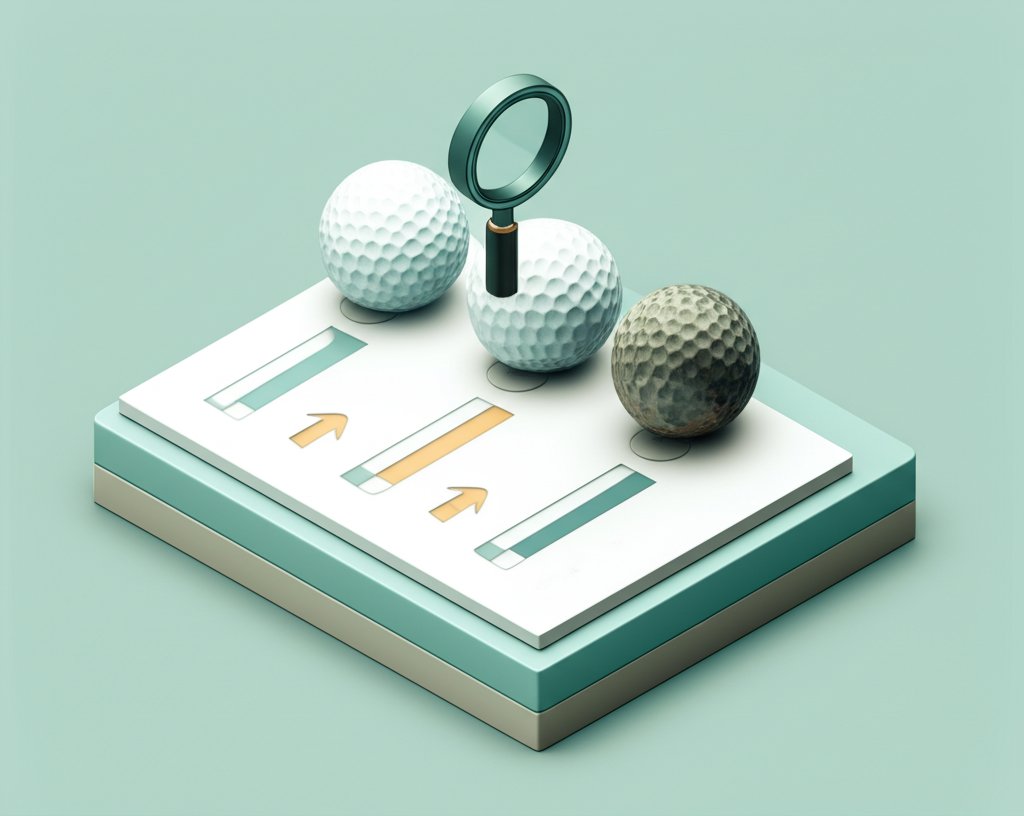
While the grade is your starting point, a true specialist looks a little deeper. Here are the critical details to check before you buy.
H3: Distinguishing Harmless Blemishes from Performance-Killers
Not all marks are created equal. It’s vital to know what you can ignore and what you should avoid.
- Player Markings: A line, a set of dots, or initials drawn with a Sharpie has zero effect on the ball’s aerodynamics or performance. In fact, balls with these marks are often graded lower, making them a fantastic value.
- Corporate Logos: Like player markings, a printed logo from a company or tournament is purely cosmetic. It doesn’t alter the dimple pattern or the cover’s integrity.
- Minor Scuffs: A light scuff, often from a clean wedge or iron shot, is a small abrasion on the urethane cover. On a 4A or 5A ball, these are typically so minor they won’t impact flight.
- Cart Path Rash: This is the one to watch out for. A deep, jagged gash from hitting a cart path or tree creates a “cheese grater” effect on the cover. These sharp edges disrupt airflow around the ball, potentially causing an inconsistent or wobbly flight. Avoid balls with significant cart path rash for any serious round.
The “Refinished” vs. “Recycled” Trap
This is one of the biggest pitfalls for new buyers. The terms may sound similar, but they mean vastly different things.
- Recycled (or Used): This is what you want. A recycled ball is an original Callaway Chrome Soft that was found, washed, and sorted by grade. It has its original cover, dimple pattern, and core. Its performance is authentic to how Callaway designed it.
- Refinished (or Refurbished): This is a ball that has been mechanically stripped of its original cover paint and clear coat. It’s then repainted and re-stamped with the Callaway and Chrome Soft logos. This process is highly problematic because the new layer of paint can fill in the dimples, altering their depth and shape. This fundamentally changes the ball’s aerodynamic properties, leading to unpredictable flight, spin, and distance.
Actionable Tip: Always look for the term “recycled” or “used.” If a deal seems too good to be true—for example, a dozen “mint” balls for the price of practice-grade balls—double-check the description for the word “refinished.” Reputable sellers are always clear about this distinction.
Know Your Chrome Soft Models and Years
“Chrome Soft” isn’t a single ball; it’s a family of them. When buying used, you may find lots containing a mix of models. Be sure you’re getting the one that fits your game.
- Callaway Chrome Soft: The standard model. It has the softest feel and is designed for a wide range of swing speeds. It offers a great combination of distance and greenside control.
- Callaway Chrome Soft X: A slightly firmer feel than the standard model. It’s designed for higher swing speeds (typically 105+ mph with the driver) and generates more spin on iron and wedge shots for maximum workability and control.
- Callaway Chrome Soft X LS: The “Low Spin” model. It’s the firmest of the three and is built for high-speed players who want to reduce spin off the driver to achieve a more penetrating, lower-trajectory ball flight.
Sellers often group various year models together. For the average amateur, the subtle year-over-year tweaks Callaway makes are imperceptible. The core technology remains consistent, so don’t stress too much about getting a 2020 model versus a 2022 model unless you are a highly sensitive, low-handicap player.
Quick Answers to Common Questions
Your Used Chrome Soft FAQs
Q: Do used golf balls lose distance?
A: A high-quality used ball (Mint or Near Mint) that has no structural damage will not have any noticeable distance loss. Significant distance loss only occurs if the ball’s core is cracked or if it has been submerged in water for an extended period (months, not days), causing water to penetrate the core. Reputable used ball retailers have processes to discard these compromised balls.
Q: How can I tell if a ball is waterlogged?
A: Visually, you can’t. A “lake ball” that was recovered quickly is perfectly fine. This is why buying from a trusted source is critical—they rely on volume and reputation, so they have a strong incentive to filter out duds. Avoid buying from unknown individuals who are simply pulling balls from a pond themselves.
Q: Is it really worth paying more for Mint (5A) grade?
A: It depends on the occasion. For a club championship or a round where you need maximum confidence, the small premium for Mint grade can be worth the peace of mind. For your everyday weekend game, the Near Mint (4A) grade offers virtually identical performance for a much better price, making it the smartest choice for most golfers.
Q: Are used Chrome Soft Truvis balls a good buy?
A: Absolutely. The Truvis soccer-ball pattern is simply printed on the cover. While the pattern itself may show more visible wear or fading on a used ball, it doesn’t affect performance as long as the cover itself is intact (i.e., no deep scuffs or gashes). You can often get great deals on 4A Truvis models.
Your Smart-Buyer’s Game Plan
You’re now equipped with the knowledge to buy used Callaway Chrome Soft golf balls with confidence. Follow this simple action plan to get the best ball for your buck.
- Define Your Need: First, decide what you’re using the balls for. Is it for a tournament, a casual weekend round, or practice? This will dictate your target grade. For most rounds, aim for Near Mint (4A) for the ultimate balance of price and performance.
- Choose Your Model: Pinpoint which Chrome Soft fits your game. Don’t just buy a mixed lot if you know you need the low-spin characteristics of the X LS or the extra greenside spin of the Chrome Soft X.
- Select a Reputable Seller: Prioritize established online used-ball retailers for the most consistent grading and quality control. If shopping on marketplaces like eBay, carefully vet sellers by checking their ratings and looking for listings with clear, high-resolution photos of the actual balls for sale, not just stock images.
- Confirm “Recycled,” Not “Refinished”: Scan the product description to ensure you are buying original, recycled balls. If the listing doesn’t specify, it’s safest to assume the worst and move on.
- Buy in Bulk and Inspect: You’ll almost always save on shipping and per-ball cost by purchasing multiple dozens at once. When your order arrives, do a quick spot-check. Grab a handful of balls and verify they match the grade you ordered. A trustworthy seller will have a fair return policy if the product is not as described.
By following this framework, you transform buying used golf balls from a game of chance into a strategic advantage, putting one of golf’s best balls in your bag for a price that lets you play more and worry less.

Whether testing new equipment or exploring the world’s best courses, I'm brings fresh, easy-to-understand content that makes golf accessible for everyone. Follow along and elevate your game with expert advice, every day.
- How to Choose Used Callaway Chrome Soft Golf Balls - May 8, 2026
- Cheap Callaway Golf Balls Are Easier To Find Than Ever - May 7, 2026
- Used Callaway Golf Balls Offer Top Performance for Less - May 6, 2026