You’re digging through your golf bag, find a scuffed-up Nike RZN, and have a moment of nostalgia. It prompts a common search online, and maybe even a trip to a golf shop, all driven by one key question: does Nike still make golf balls? The simple answer is a firm no, but the story behind their 2016 departure from the golf hard goods market is a fascinating case study in business strategy, brand power, and the birth of a new collector’s niche.
For golfers who loved their performance and collectors who see their value, understanding Nike’s exit is key. It explains why finding a fresh sleeve of One Tour D balls feels like uncovering a hidden gem.
At a Glance: The Nike Golf Ball Situation
- The End Date: Nike officially stopped manufacturing all golf balls, clubs, and bags in August 2016.
- The Reason: A strategic pivot to focus on their highly profitable core strengths: golf apparel and footwear.
- The Tech Legacy: Nike’s innovative RZN core and multi-layer designs were sold as part of their manufacturing assets to Kohler Co.
- Where to Find Them: The only sources for Nike golf balls today are secondary markets like eBay, specialty online retailers with “new old stock,” and collector forums.
- Modern Alternatives: Top brands like Bridgestone, Titleist, and Callaway offer high-performance balls that are spiritual successors to popular Nike models.
Why Nike Hung Up Its Clubs (and Ball Molds) in 2016
Nike’s exit wasn’t a sudden failure but a calculated business decision. After nearly two decades of pushing the envelope in golf equipment, the company saw a clearer path to dominance by narrowing its focus.
The Business Decision: Focusing on Apparel and Footwear
At its peak, Nike Golf was an all-encompassing brand. They had Tiger Woods, the world’s most dominant athlete, using their clubs, balls, bags, and wearing their apparel from head to toe. But the equipment market is notoriously tough.
- Intense Competition: Brands like Titleist, Callaway, TaylorMade, and Bridgestone have deep roots and loyal followings. Breaking through and capturing significant market share proved incredibly challenging and expensive. Titleist’s Pro V1, for instance, has been the dominant ball in golf for over two decades.
- Declining Participation: In the mid-2010s, the golf industry faced a period of stagnation and declining participation rates. Fewer players meant a smaller market for expensive equipment.
- Profit Margins: The R&D, manufacturing, and marketing costs for golf hard goods are immense. In contrast, apparel and footwear—Nike’s bread and butter—offered much higher profit margins and a stronger connection to their global brand identity.
Nike realized it could be more successful by doubling down on what it does best. The decision was to exit the “hard goods” game and dominate the “soft goods” space, outfitting golfers with the Swoosh rather than filling their bags with it.
What Happened to the Ball-Making Operation?
When Nike stepped away, they didn’t just shutter their factories. The company sold many of its golf equipment patents and manufacturing assets. It was reported that the golf ball manufacturing operation in Oregon was sold to Kohler Co., the parent company of TaylorMade at the time (though TaylorMade was later sold to a private equity firm). This move ensured that the intellectual property and machinery they had developed didn’t just disappear.
More Than Just a Swoosh: The Tech Inside Nike Golf Balls
To appreciate why these out-of-production balls are still sought after, you have to look past the logo and at the technology inside. Nike was a genuine innovator, and its two signature technologies—the RZN Core and Dual Core construction—were at the heart of its most popular models. Understanding these models is the first step for anyone looking to play or collect them, a topic covered extensively in this Nike golf balls collector’s guide.
The RZN Core Revolution
RZN, a lightweight and highly resilient resin material, was Nike’s answer to the traditional rubber core. The idea was simple but powerful: because the RZN core was lighter than rubber, Nike engineers could redistribute that saved weight to the outer layers of the ball.
This created a “high moment of inertia” (MOI) effect. Think of it like a figure skater spinning: when they pull their arms in, they spin faster; when they extend them, they slow down but are more stable. By moving weight to the perimeter, the RZN balls were more stable in flight, especially in windy conditions, and offered a better transfer of energy for more distance.
- Nike RZN Black & Platinum: These were the four-piece, tour-level balls. The Black was engineered for lower spin off the driver and higher spin with wedges, while the Platinum offered a softer feel and more mid-iron spin.
- Nike RZN Red & White: These were the three-piece distance and feel options for amateur players. The Red was the distance-focused ball, and the White was the soft-feel option.
Popular Models That Defined Their Lineup
Before RZN, Nike built its reputation on other high-performance designs. Here’s a quick breakdown of the models you’re most likely to encounter.
| Model Series | Key Technology | Target Golfer | Why It’s Remembered |
|---|---|---|---|
| Nike ONE Tour / D | Power Transfer Layer | Tour Pro / Low Handicap | The ball Tiger Woods used to win multiple majors. Known for its penetrating flight and control. |
| Nike RZN Platinum / Black | RZN Core, Urethane Cover | Tour Pro / Serious Amateur | The pinnacle of Nike’s tech. Offered exceptional feel, spin, and stability in the wind. |
| Nike Mojo | Two-Piece, Low Compression | High Handicap / Casual | Famous for its vibrant colors, “karma” branding, and explosive distance for slower swing speeds. |
| Nike Crush | Two-Piece, Optimized Core | Mid-to-High Handicap | A pure distance ball designed for maximum velocity and a firm feel off the clubface. |
The Ripple Effect on Tour and in Pro Shops
When a giant like Nike steps out of a market, it creates waves. The most immediate impact was felt by their star-studded roster of sponsored professional golfers.
Tiger Woods and the Switch to Bridgestone
For years, Tiger Woods and Nike Golf were synonymous. His feedback was integral to the development of balls like the Nike ONE Tour D. After the 2016 announcement, the golf world watched closely to see what equipment he would choose.
After extensive testing, he signed a multi-year golf ball contract with Bridgestone. He found that the Bridgestone Tour B XS ball offered the flight, feel, and spin characteristics that best suited his game. His choice was a massive endorsement for Bridgestone and highlighted just how critical a personalized ball fitting is at the elite level.
Other Sponsored Athletes Find New Homes
Rory McIlroy, another Nike headliner, initially switched to Callaway clubs and a Titleist Pro V1x ball before eventually signing a comprehensive equipment deal with TaylorMade. Michelle Wie and other Nike staffers also had to go through the process of testing and signing with new equipment providers. This created a free-agent frenzy and reshuffled the landscape of tour sponsorships for years to come.
Your Guide to Sourcing Out-of-Production Nike Golf Balls
So, you can’t buy them new at the store. Does that mean they’re gone forever? Not at all. You just need to know where to look and what you’re looking for.
Where to Look: The Modern Treasure Hunt
- Online Marketplaces (eBay): This is the single largest source for Nike golf balls. You can find everything from single used balls to mint-condition, sealed dozens. Be sure to check seller ratings and read descriptions carefully.
- Specialty Used Ball Retailers: Websites like LostGolfBalls.com or GolfBallPlanet.com often acquire and sort used Nike balls. You can buy them in various grades (Mint/5A, Near Mint/4A), making them an affordable option for players who want to use them on the course.
- Collector Forums and Social Media: GolfWRX forums and Facebook groups dedicated to golf equipment are great places to find collectors selling or trading rare models, especially limited editions or tour-prototypes.
How to Spot a Good Deal vs. a Collector’s Item
Not all Nike balls are created equal in the secondary market. The price is dictated by a combination of model, condition, and rarity.
- For Playing: If you just want to play a round with your old favorite, look for used “Mint” or “Near Mint” RZN or ONE series balls. You can often get a dozen for $20-$35, a great value for a tour-caliber ball.
- For Collecting: If you’re a collector, you want “New in Box” (NIB). A sealed dozen of RZN Black balls might sell for $75-$100, while a rare “Tiger Woods” edition box could fetch several hundred dollars. Condition of the box itself matters, too!
Can’t Find Nike? Here Are Today’s Best Alternatives
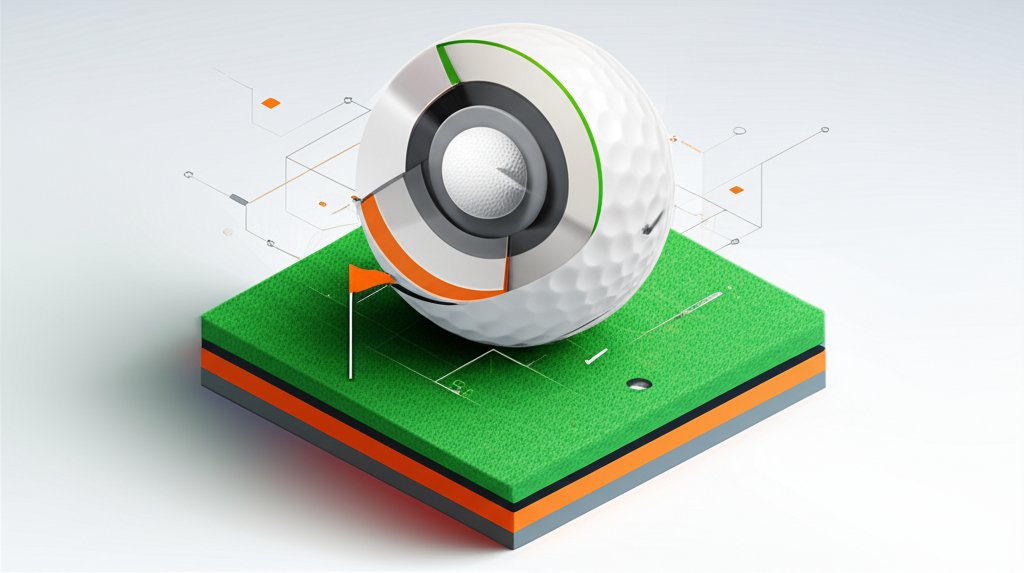
If the treasure hunt isn’t for you, or you’re simply looking for a modern ball that captures the spirit of your old Nike favorite, today’s market has plenty of excellent options.
If You Loved the Nike RZN Black/Platinum (Tour Performance)…
You were a fan of multi-layer, urethane-covered balls that offered exceptional spin and control. Your modern equivalents are the best balls on the market:
- Bridgestone Tour B XS: The very ball Tiger Woods switched to. It offers tremendous greenside spin and a soft feel, much like the RZN Platinum.
- Titleist Pro V1: The industry standard. It provides a perfect balance of distance, spin, and feel, similar to the all-around performance of the RZN Black.
- TaylorMade TP5: A five-piece ball known for its unique construction that delivers low driver spin and high wedge spin—a key goal of the RZN series.
If You Loved the Nike Mojo/Crush (Distance & Feel)…
You prioritized straight, long-distance shots and a satisfying feel off the club, without needing tour-level greenside spin.
- Callaway Supersoft: A wildly popular two-piece ball known for its incredibly soft feel and straight flight due to low spin. A great spiritual successor to the Mojo.
- Srixon Q-Star Tour: A “tour-like” ball for moderate swing speeds. It has a urethane cover for better spin than a typical distance ball but is softer and more forgiving.
- Titleist Tour Soft: Delivers commanding distance with a very soft feel, fitting perfectly in the category of premium two-piece balls that the Crush and Mojo occupied.
Quick Answers to Common Nike Golf Ball Questions
Does Nike still make golf balls in 2024?
No, Nike officially stopped producing all golf equipment, including golf balls, in August 2016. Their current focus in golf is exclusively on apparel, footwear, and accessories. Any “new” Nike balls found for sale are new old stock.
Who made Nike golf balls for them?
Nike invested heavily in its own R&D, creating proprietary technologies like the RZN core at its facility in Oregon. However, like many large brands, it’s also widely reported that they contracted with established ball manufacturers, such as Bridgestone, for production of certain models at various times.
Why are old Nike golf balls so expensive?
The price is driven by simple supply and demand. With no new supply being made, the existing stock of new-in-box balls has become finite. Popular tour-level models like the RZN Black and ONE Tour D are now collector’s items, and their scarcity commands a premium price.
Are old Nike golf balls still good to play with?
Absolutely, provided they have been stored correctly. A new-in-box ball from 2016 stored in a temperature-controlled environment will perform just as it was designed to. Balls that have been stored in extreme heat (like a car trunk) for years may see some degradation, but for the most part, they are perfectly playable.
The Final Verdict: Play Them, Collect Them, or Move On?
The era of Nike golf balls may be over, but their legacy continues. For many, they represent a specific time in their golf journey or a connection to the Tiger Woods glory days. Deciding what to do now is a personal choice.
Here’s a quick guide:
- If you miss the performance: Your best bet is to find a modern equivalent. Start by testing the Bridgestone Tour B, Titleist Pro V1, or TaylorMade TP5 to find a new favorite.
- If you’re feeling nostalgic: Head to eBay or a used ball site. Buying a dozen mint-condition RZN or Mojo balls for a few special rounds is an affordable way to relive some good memories on the course.
- If you’re a collector: The hunt is the fun part. Seek out mint, sealed boxes of the ONE Tour D or RZN Platinum series. Treat them as you would any other piece of sports memorabilia—store them safely and watch their value appreciate among enthusiasts.
While the Swoosh may have vanished from the dimples of new golf balls, its impact on the game and its lingering presence in the bags of loyalists and collectors ensure it won’t be forgotten.

Whether testing new equipment or exploring the world’s best courses, I'm brings fresh, easy-to-understand content that makes golf accessible for everyone. Follow along and elevate your game with expert advice, every day.
- Does Nike Still Make Golf Balls? Unpacking Their Golf Equipment Exit - May 17, 2026
- Nike Golf Balls New Listings Draw Interest from Collectors - May 16, 2026
- Golf Ball Gift Sets Make Thoughtful Presents for Avid Golfers - May 15, 2026