
Stepping up to a sleeve of premium golf balls can feel like a major milestone in your game. But faced with a wall of choices—each promising more yards, more spin, or a better feel—it’s easy to feel lost. The truth is, the “best” ball isn’t a one-size-fits-all solution; it’s the one that best complements your unique swing and on-course strategy.
This guide will demystify the technology packed into these tiny spheres of performance. We’ll break down the key differences in construction, spin, and feel, helping you move beyond marketing hype to make a choice that gives you confidence from the tee box to the bottom of the cup.
What Truly Defines a “Premium” Golf Ball?
Beyond a higher price tag, a premium golf ball is an engineering marvel designed for layered performance. While a basic two-piece ball has a core and a cover, premium models feature complex, multi-layer constructions to optimize every shot.
Think of the five-layer design in the TaylorMade TP5x, engineered to shed spin with a driver for more distance while grabbing hard with a wedge for control. Or the three-piece Srixon Z-Star Diamond, which balances tour-level distance with incredible greenside spin. This sophisticated construction is typically wrapped in a specific cover material.
- Urethane Covers: This is the hallmark of a premium ball. A soft urethane cover, like the one on a Titleist Pro V1, is essential for generating high spin on short irons and wedges. This spin is what allows you to hit aggressive approach shots that stop quickly on the green.
- Ionomer Covers: Found on many distance-focused or budget-friendly balls, ionomer is more durable and generates less spin. While great for maximizing rollout off the tee, it offers less stopping power on approach shots.
Matching the Ball to Your Swing: The Compression Question

Compression is a measure of how much a golf ball deforms against the clubface at impact. Matching compression to your swing speed is crucial for activating the ball’s core and unlocking its full potential for distance and feel.
A simpler way to think about it is energy transfer. A slower swing doesn’t have enough force to fully compress a high-compression ball, leading to a loss of distance and a hard, unpleasant feel. Conversely, a very fast swing can over-compress a soft ball, resulting in less control.
- Slower Swing Speeds (under 90 mph): Look for balls with lower compression ratings (around 70-80). These balls are easier to compress, helping you generate more ball speed and distance.
- Faster Swing Speeds (90+ mph): A higher compression ball (90 and above) will feel more responsive and provide the control and distance you need. If you have a powerful swing, this is where you should start your search. Find your ideal golf ball. Best to match your speed to the right model.
The Eternal Trade-Off: Max Distance vs. Pinpoint Control
Every golfer wants both, but ball design often requires a focus on one end of the spectrum. Understanding where your game needs the most help—off the tee or around the greens—is the key to selecting the right premium ball.
Chasing Every Yard: Balls Built for Speed and Distance
For players who prioritize raw distance, the goal is high launch and low spin with the driver. These balls often feature energetic cores and aerodynamic dimple patterns designed to cut through the air. The TaylorMade Distance+ uses a REACT Speed Core for explosive speed, while the Callaway Chrome Tour was found in tests to be the longest and fastest ball at a 114 mph driver speed. These models are engineered to reduce the sidespin that causes hooks and slices, promoting a straighter, longer ball flight.
Mastering the Short Game: High-Spin Balls for Precision
If you want your approach shots to land softly and stop on a dime, you need spin. High-spin balls are the artist’s tool, allowing for aggressive play into tucked pins. The Callaway Chrome Tour X, for instance, registered the highest spin around the green in extensive testing, making it a short-game weapon. Similarly, the Wilson Staff Model X provides incredible stopping power with a steep descent angle and high backspin. If you want to drop and stop your shots with authority, you’ll need to Discover the Best High Spin Golf balls that can deliver that control.
Feel and Feedback: The Soft vs. Firm Debate
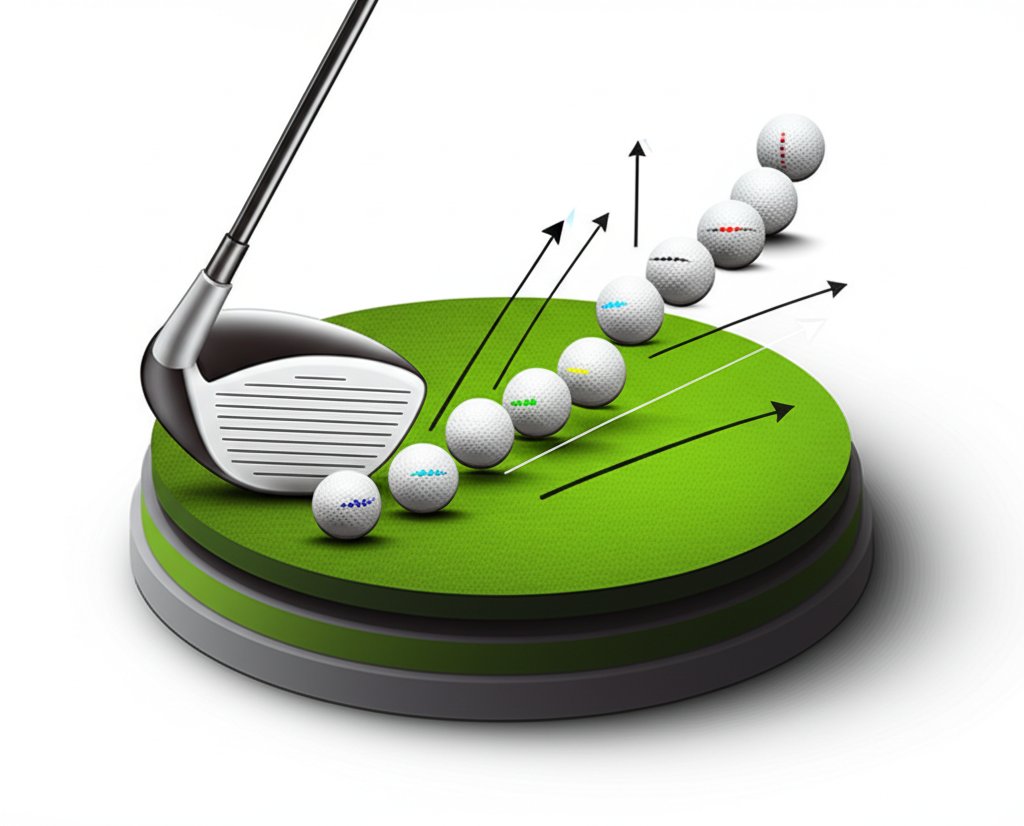
“Feel” is a personal preference, but it has a real impact on your confidence, especially on and around the greens. The sound and sensation at impact tell you a lot about the quality of your strike.
Premium balls offer a range of feels from buttery soft to a crisp, firm click. Models like the Bridgestone Tour B XS are renowned for their soft feel, which many players prefer for putting and delicate chips. For those looking for that plush impact, exploring the top 10 soft golf balls is a great next step. Others prefer the distinct feedback of a firmer ball, which can feel more powerful off the tee.
Exploring the Landscape of Top Brands and Alternatives
While a few names dominate the tour, the premium market is filled with incredible options. Finding the right fit means looking at the benchmarks and exploring specialized alternatives that might better suit your game.
The Icons: Understanding the Pro V1 Phenomenon
For decades, the Titleist Pro V1 has been the gold standard, offering a superb blend of distance, spin, and a soft feel. Its consistent performance has made it the most popular ball in golf. Many players wonder if the hype is real, and it’s worth taking a closer look to See if Titleist balls are good for their game. Because of its benchmark status, many golfers seek comparable performance at different price points, leading them to explore balls like pro v1 from other top brands.
Beyond the Usual Suspects: Unique and Specialized Options
Many premium balls offer unique technologies to help with specific parts of your game. Some feature bold alignment aids, like TaylorMade’s Plus Alignment or LTX3085’s Bold Track Technology, to improve your accuracy on the putting green. These thoughtful designs go beyond core construction to address practical on-course challenges. If you’re looking for an edge that standard models don’t offer, you should Discover Special Golf Balls built with these kinds of unique features.
The Investment: Price and Value in Premium Golf
There’s no denying that premium golf balls are an investment in your game. The complex R&D and high-quality materials are reflected in their cost. For those curious about the upper limits of the market, you can Discover the priciest golf balls Explore and see what sets them apart. However, you don’t always have to pay top dollar. High-quality recycled balls in “Mint” condition offer a fantastic alternative, with independent testing showing no discernible loss in performance while saving you over 50%.
Putting It All Together: How to Choose Your Next Ball
The best way to select a golf ball is to work backward from the green. Prioritize what you need most from 100 yards and in, as that’s where you score.
- Greenside Control: Do you need more spin to hold greens? Start with a high-spin, urethane-covered ball.
- Approach Play: How does the ball perform with your mid-irons? Look for consistent flight and predictable distance.
- Off the Tee: Finally, how does it perform with your driver? Does it provide the distance and accuracy you need?
Consider your swing speed, desired feel, and budget. The ideal approach is to buy a sleeve of two or three different models that fit your profile and play a few rounds with each. Pay attention to how they perform in all facets of the game, and you’ll soon identify a clear winner. To get started on your shortlist, it’s always helpful to Discover the best golf balls currently leading the market.
Ultimately, the right premium golf ball is the one that lets you execute the shots you envision with confidence. Use this overview as your map, dive into our detailed guides for more specifics, and get ready to find the ball that will truly elevate your game.

Whether testing new equipment or exploring the world’s best courses, I'm brings fresh, easy-to-understand content that makes golf accessible for everyone. Follow along and elevate your game with expert advice, every day.